One Piece Cards: The Complete Israel Guide - Buying, Rarities, Fakes & Grading
Bandai, 2022, and the alt-art rarities driving the boom: what One Piece TCG is, how to spot fakes and grade correctly, and how to buy and price cards from Israel - one complete guide.
Updated 23 July 2026
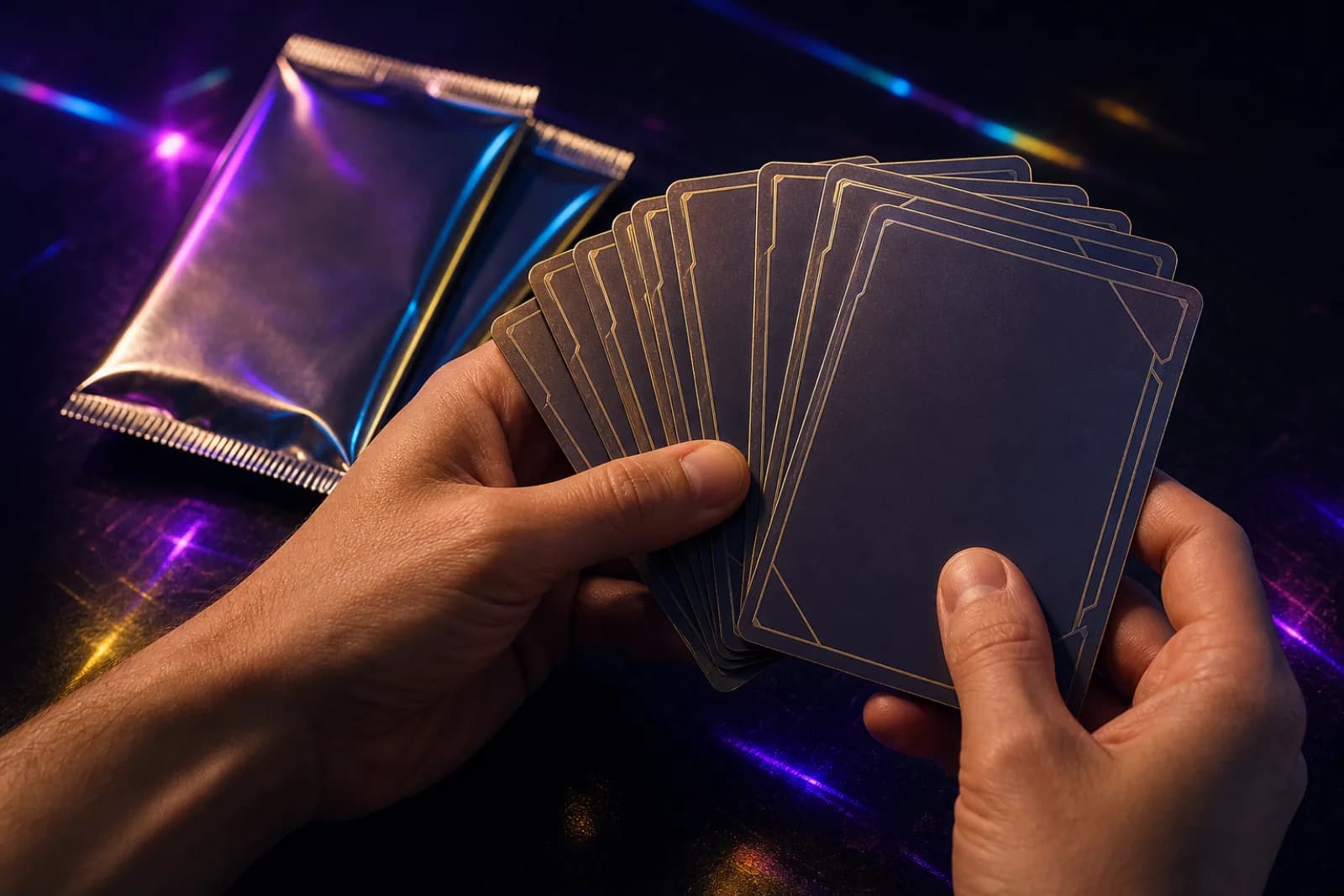
One Piece TCG is a trading card game published by Bandai in Japan, first released in July 2022 to mark the 25th anniversary of the One Piecemanga. It's one of the fastest-growing collecting categories in the world: a combination of a massive fanbase, genuine competitive gameplay, and alt-art and manga rarecards that have become collectibles in their own right. As of July 2026, it's already a full category on haklaf too.
What One Piece TCG is and why it's exploding
One Piece Card Game is a trading card game published by Bandai - the same company behind Gundam and Digimon - that first launched in Japan on July 22, 2022, as part of the One Piecemanga's 25th-anniversary celebrations. An English version hit US retail that December. Since then it's been one of the fastest-growing card categories in the world, built on a rare combination: a massive anime fanbase, game mechanics that pull in competitive players and not just collectors, and visually striking alt-art and manga rare cards that became collecting targets in their own right.
The first set, OP-01 Romance Dawn, became one of the most sought-after boosters in modern card collecting within months - sealed boxes traded well above their original release price, a demand pattern similar to the frenzy around Pokémon 151 in 2023. On haklaf, One Piece is already a full game alongside Pokémon - with its own filter on the board and a permanent spot on the homepage - but comprehensive Hebrew content about the game barely exists. This guide fills that gap.
The rarity system: what the letter code in the corner means
Every One Piece card is marked in the bottom corner with a letter code indicating its rarity - L (Leader), C (Common), UC (Uncommon), R (Rare), SR (Super Rare), and SEC (Secret Rare) - and above it, starting with set OP-04, a star symbol (✶) marks a rarer alt-art version of that exact same card: same card number and game stats, different artwork and finish.
| Code | What it is | Frequency (per community reports) | Typical collector value |
|---|---|---|---|
| L - Leader | The leader card your deck is built around - every deck needs exactly one | About 1 per 2 packs | Standard version: low. Alt-art version (L with a star): usually the most expensive card in the set |
| C - Common | Base cards, the most frequent | Several copies per pack | Near zero |
| UC - Uncommon | Supporting characters and utility cards | Several copies per pack | Low |
| R - Rare | Holographic-finish card | Every pack guarantees a Rare or better in its last slot | Low-to-mid |
| SR - Super Rare | Intense foil finish, usually the set's most popular characters | About 8 per standard box (24 packs) | Mid-to-high as a standard version; alt-art versions significantly higher |
| SEC - Secret Rare | The highest rarity in a standard release | About 1 per box on average, sometimes 2 | High |
| Manga Rare | An art variant featuring an actual manga panel instead of the original illustration - exists only starting with set OP-05 | Extremely rare; per community reports, roughly one per several dozen boxes | Highest |
Booster and pack structure
A standard One Piece booster box contains 24 packs of 12 cards each - 288 cards per box, a structure similar to what our booster box guidefor Pokémon cards covers. Alongside that, special "premium boosters" come in a different structure, usually 10 packs of 10 cards. The first set, OP-01 Romance Dawn, included 121 card types: 8 Leaders, 45 Commons, 30 Uncommons, 26 Rares, 10 Super Rares, and 2 Secret Rares, per the official card list.
One Leader card is guaranteed on average every 2 packs, and per community reports a standard box averages roughly 8 Super Rares and 1-2 Secret Rares. Again - these are aggregated estimates from real box openings, not an official figure published by Bandai. For an exact card list per set, check the official One Piece Card Game site.
How to spot a fake One Piece card

- Direct comparison to a verified card.The most effective method - put the suspect card next to one you're sure is genuine, from the same set and rarity, and compare color, font, and finish side by side.
- Embossed stamp. Many valuable cards from set OP-05 onward carry a small, clear, tactile embossed stamp on the card face. A missing or blurry stamp on a modern high-value card is a warning sign.
- Card back color.The official back is printed in a consistent, balanced blue. Fakes tend to drift from it - often a purple tint or a shade that's too dark and muddy. Comparing side by side with a genuine card makes this obvious fast.
- Print quality. Official printing is sharp, with clean lines around artwork and text, and vibrant but accurate colors. Blurring, an off font weight, or a spelling error are near-certain signs of a fake.
- Card stock and feel. A genuine Bandai card is built from quality stock with real weight and a firm feel in hand. Fakes tend to be too light and flexible, closer to reinforced photo paper.
- Infrared light test.Collectors report that genuine cards show a white tint under a dedicated infrared light, versus a dark tint on fakes - but this test requires a dedicated infrared light source, not a regular phone flashlight, and most buyers simply don't own that equipment. Weight it less than the other checks on this list.
One more check that always helps: the card's set number (e.g. OP01-013) and rarity symbol must match the official card list for that set exactly - if the number, rarity, or name doesn't exist in any official printing, it's not an "unknown print," it's fabricated. Our Pokémon fake-detection guide goes into much more depth, but note: its checks are built around Pokémon card construction and don't all transfer directly to One Piece. Before closing a deal on a card you're unsure about, it's also worth reviewing our safe-trading guide.
Grading One Piece cards
Yes, both PSA and CGC actively grade One Piece cards, and as of our July 2026 check, CGC in particular has gained a lot of popularity around it recently. The key difference from Pokémon is the pop count(how many cards have already received a grade): since the game is relatively young (2022 onward), it's significantly lower than the older categories - which makes a high-grade card rarer relative to its set's age, but also means the pop count shifts fast, month to month.
Per the official PSA population report, as of our July 2026 check, over 200,000 One Piece cards had been graded there across all sets - for example, set OP-01 Romance Dawn (Japanese edition) shows about 50,871 cards in the report, and set OP-05 Awakening of the New Era about 38,441. CGC also reports sharp growth in submissions - about 451,000 cards graded there in February 2026 alone, up roughly 57% year over year, and its list of most popular cards in December 2025 was made up entirely of One Piece cards.
The process, cost, and timelines are similar to what's described in our grading from Israel guide - it isn't Pokémon-specific, and the same routes (self-shipping abroad or going through an Israeli intermediary) apply to One Piece too. For a full comparison of the grading companies themselves, see our PSA vs. CGC vs. BGS guide.
How much is a One Piece card worth
Just like with Pokémon cards, the most reliable price source is deals that actually closed - not asking price. The main tools are TCGplayer market and eBay sold, using the same method covered in our pricing guide: for a rawcard, start from a broad market price and adjust for the card's actual physical condition; for a graded card, average a handful of recent eBay sold listings at the exact same grade and grading company.
The table below illustrates the order of magnitude between value tiers - not a current price quote, since this category is volatile and moves fast:
| Card | Type | Price range (USD, per reported sales) |
|---|---|---|
| Shanks alt art (ST16-004 SP) | Standard alt art | Raw NM about $150-$200; PSA 10 over $500 |
| Portgas D. Ace manga rare | Manga rare | A reported PSA 10 sale around $6,800 |
| Gol D. Roger manga parallel (OP09-118) | Manga rare | Raw around $3,000 on average; PSA 10 up to about $5,000 |
| Shanks Flagship Battle promo | Rare promo | A reported BGS 10 sale at $13,725 |
| Super Pre-Release Monkey D. Luffy (Winner / Gold Serialized) | Serialized prize card - extreme outlier | Over $25,000 at select auctions |
Buying in Israel: local shops vs. import
You can buy One Piece cards from local Israeli shops that import official stock (mostly anime shops and dedicated card shops), or directly from abroad via TCGplayer, eBay, or Japanese stores. The key difference is immediate availability and a slightly higher price at a local shop, versus wider selection and sometimes a lower base price through import - plus wait time, shipping cost, customs, and VAT.
For anyone importing in practice - whether sealed boosters or individual graded cards - the full landed cost includes customs and VAT above a certain exemption threshold, exactly as with Pokémon cards. Full details are in our card import taxes guide, and you can calculate it ahead of time with the customs calculator. To see what's available right now nearby, check the One Piece filter on the haklaf board - local listings only, between collectors in Israel. A broader map of shops and communities in Israel is in our Israeli community guide.
Frequently asked questions
Are One Piece cards worth investing in?
It depends on why you're buying. The category is young (2022 onward), volatile, and heavily anime-fandom driven - not everything trending up today will keep climbing. The safest approach is buying what you actually like and can hold through a price drop, not treating every booster or card as a "retirement plan." Common cards are almost never worth anything beyond gameplay use; value concentrates almost entirely in alt-art, SEC, and manga rare cards.
What's the most expensive One Piece TCG card ever?
By collector and auction house reports, the most expensive card isn't a standard release at all - it's a serialized prize card: the Super Pre-Release Monkey D. Luffy (Winner / Gold Serialized). Copies with especially low serial numbers in top condition have sold at select auctions for prices exceeding $25,000. That's an extreme outlier (a tournament prize card, not a regular pull) and doesn't represent the typical card market.
How do I spot an alt-art card?
Look for a star (✶) above the rarity code in the card's corner - a marking Bandai has added starting with set OP-04. An alt-art card has the exact same card number and game stats as the standard version, but different artwork (usually extended or full-frame) and sometimes a different foil pattern in the background.
Does PSA grade One Piece cards?
Yes. Both PSA and CGC actively grade the game, and CGC in particular has gained a lot of popularity around it recently. The pop count (how many cards have already received a grade) is significantly lower than Pokémon's since the game is younger - full details in our grading guide.
Where do I buy One Piece cards in Israel?
There are a handful of local shops (anime shops and dedicated card shops) that import official stock, plus the option to import directly from TCGplayer, eBay, or Japanese stores. The first gives immediate availability at a slightly higher price; the second gives more selection and often a better base price in exchange for wait time, customs, and VAT.
What's the difference between a regular SR and a manga rare?
A regular SR is a card with an intense, standard foil treatment, relatively accessible (about 8 per box by community reports). Manga rare is a much rarer art variant that features an actual manga panel instead of the original illustration, only exists starting with set OP-05, and is the rarest tier in the game - by community reports, roughly one per several dozen boxes.
Does the light test that works on Pokémon also work on One Piece cards?
Don't rely on it. The window light test for Pokémon is based on a specific black layer (black core) in the card stock used since 2002 - a construction we haven't verified applies the same way to One Piece. Before trusting any light test on a One Piece card, verify it first against a genuine card from the exact same set, and lean mainly on direct comparison, the embossed stamp, and back color - the checks later in this guide.